From Solo Spin to Shared Thrill: How Livestreaming Is Changing the Way Americans Think About Luck
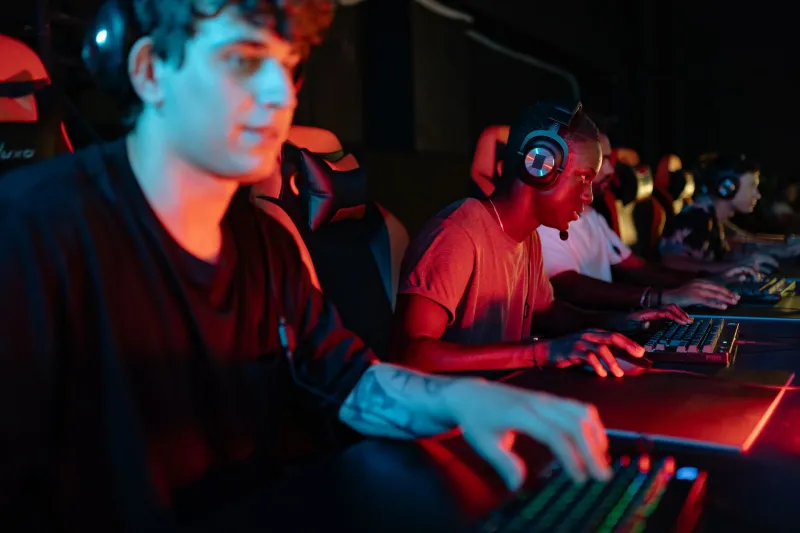
Not that long ago, hitting a big win in a game meant maybe calling out to whoever was in the next room. Today, it means thousands of people erupting in a chat feed, flooding the screen with fire emojis and "LET'S GOOO" in all caps. Gaming luck has gone fully public — and honestly, it's a whole different experience because of it.
Livestreaming platforms like Twitch and YouTube Live have quietly done something remarkable: they've turned luck from a one-person moment into a shared cultural event. And for casual American players who love the thrill of chance, that shift matters more than most people realize.
The Old Way vs. The New Way
For most of gaming history, luck was deeply personal. You won or you lost, and the emotional weight of either outcome landed squarely on your shoulders alone. There was no audience to amp up the excitement, no community to soften the sting of a bad run. It was intimate, sometimes thrilling, sometimes frustrating — but always solitary.
Livestreaming cracked that wide open. Now, when a streamer pulls off something improbable — a rare drop, a big multiplier, a come-from-behind win — the reaction isn't just theirs. It belongs to everyone watching. Chat explodes. Clips get shared. The moment takes on a life of its own, circulating through Discord servers and Reddit threads for days.
That communal amplification changes everything about how luck feels. It's no longer just about what happened — it's about who witnessed it with you.
Why Watching Someone Else Get Lucky Is Actually Fun
Here's something that might seem counterintuitive at first: watching a streamer win can be almost as exciting as winning yourself. Psychologists call this vicarious experience, and it's a well-documented phenomenon. When we observe someone else going through an emotionally charged moment, our brains light up in surprisingly similar ways to when we experience it directly.
For gaming audiences, this creates a fascinating loop. You tune in to watch someone play, you get invested in their session, and when luck breaks their way, you feel a genuine rush. The chat becomes a kind of collective nervous system — everyone reacting together, amplifying each other's emotions in real time.
This is part of why gaming streams pull such massive audiences in the US. It's not just about learning strategies or seeing impressive skill. A huge chunk of the appeal is the emotional ride — the suspense, the near-misses, the moments where fortune finally shows up. Luck, it turns out, is great entertainment.
How Community Shapes Our Perception of Chance
There's a subtler effect happening too, one that's worth thinking about. When we consume a steady diet of gaming streams, we're essentially curating our own highlight reel of luck. Streamers naturally share their best moments — the wild wins, the jaw-dropping streaks — which means viewers are seeing a skewed sample of what's actually happening across all their sessions.
This can quietly shift how we perceive probability. If your feed is full of big wins and exciting outcomes, it's easy to start feeling like those moments are more common than they actually are. It's the same reason movie trailers look incredible even when the film itself is middling — you're seeing the greatest hits, not the full picture.
For casual players at Lucky Game 777, this is worth keeping in mind. Enjoying streamed gaming content is absolutely part of the fun, but it helps to remember that what you're watching is the highlight reel, not the average Tuesday session. Real luck is random, unpredictable, and doesn't care how many people are watching.
The Rise of Communal Celebration — and Its Responsibilities
One of the genuinely cool things about gaming communities is how enthusiastically they celebrate each other. When someone in a stream chat or gaming Discord shares a win, the response is usually immediate and warm. People cheer, share their own stories, and build connections around these shared moments of good fortune.
That sense of belonging is real, and it's one of the reasons gaming communities have grown so fast in the US. Lucky moments become social currency — stories you tell, clips you share, memories that tie you to a group of people who get it.
But with that community energy comes responsibility. The best gaming content creators are increasingly aware of this, and many are actively working to model healthy habits for their audiences. That means being transparent about losses, not just wins. It means talking openly about session limits and taking breaks. It means celebrating luck without making it feel like something you can chase or manufacture through sheer persistence.
Platforms are getting more intentional about this too. Features that encourage responsible play, messaging around entertainment-first gaming, and community guidelines that discourage reckless behavior are all becoming more common — and more visible — across major streaming and gaming platforms.
What This Means for Everyday Players
If you're someone who enjoys casual gaming for the fun of it — the spin, the suspense, the occasional burst of genuine luck — streaming culture has probably touched your experience in some way, whether you realize it or not.
Maybe you've picked up a game because you saw someone play it and loved the energy. Maybe a streamer's reaction to a big win made you feel that excitement secondhand and got you curious. Maybe you've shared your own lucky moment in a chat or a group and felt that little buzz of community connection when people celebrated with you.
All of that is part of what gaming has become in 2024 and beyond. Luck isn't just something that happens to you anymore — it's something you can witness, share, and celebrate together. And when it's approached with the right mindset, that communal dimension makes the whole experience richer.
Luck Is Better Shared — With a Little Self-Awareness
At the end of the day, the rise of gaming livestreams has done something genuinely interesting to the concept of luck. It's made it more visible, more social, and more entertaining than it's ever been. The thrill of chance — which used to play out in private — now has an audience, a chat feed, and a highlight reel.
That's mostly a good thing. Shared excitement is one of life's genuine pleasures, and gaming communities have gotten remarkably good at creating it. Just bring a little awareness along for the ride. Know that what you're watching is curated. Know that real luck is random and doesn't follow any streamer's schedule. And when your own lucky moment shows up — and it will — feel free to share it. That's kind of the whole point now.
Spin, play, and let the community celebrate with you. Just make sure you're all in it for the right reasons.