What's in a Name? The Surprisingly Deep Reason Numbers in Brand Names Make Us Feel Lucky
Picture two gaming platforms sitting side by side. One is called "Apex Play." The other is called "Lucky Game 777." You've never heard of either one. Which do you click first?
If you're like most people, you're going to the one with numbers. And no, that's not random. Your brain made that call before you even finished reading the name.
The relationship between numbers, names, and trust is one of the more fascinating corners of consumer psychology — and it's especially relevant in the gaming world, where players are constantly making split-second decisions about where to spend their time and attention.
Numbers Feel Like Facts
Here's the first thing to understand: numbers carry a different cognitive weight than words do. Language is flexible, interpretive, and emotional. Numbers feel concrete. Definitive. Verifiable.
When a brand name includes a number, it borrows that sense of precision. It doesn't matter that "777" isn't actually a statistic or a measurement — your brain still processes it with a slightly more analytical, trust-forward lens. Psychologists call this the "concreteness effect," and it's well-documented in consumer behavior research. Specific details — including numbers — make claims feel more credible, even when the detail is symbolic rather than literal.
This is why phone numbers, addresses, and founding years often appear in brand names across industries. "1-800-Flowers" feels reliable. "Studio 54" feels like a real place with a real history. And "Lucky Game 777" feels like it has a foundation — like there's something specific and intentional behind it.
The Triple Seven Is Doing a Lot of Heavy Lifting
Now layer on the cultural significance of 777 specifically, and things get really interesting.
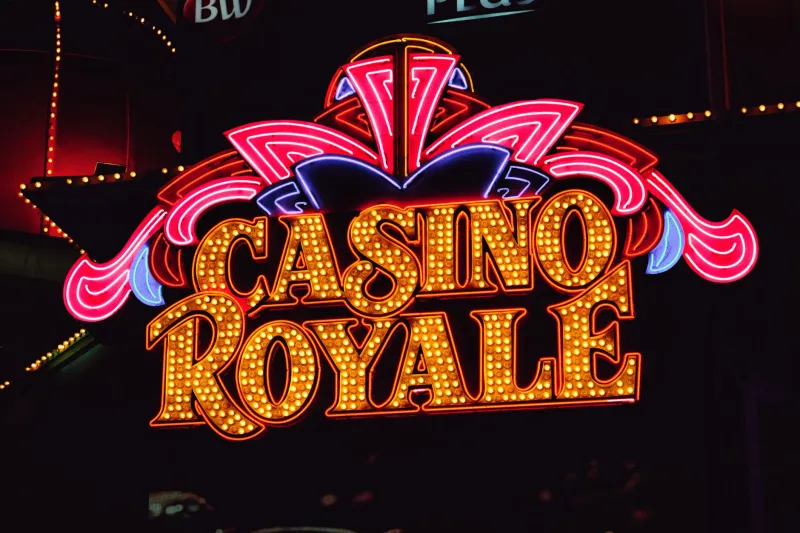
In American gaming culture, 777 is about as iconic as it gets. It's the jackpot symbol on slot machines coast to coast. It appears on lottery tickets, in casino neon, and in pop culture references going back decades. By the time most Americans are adults, they've seen 777 associated with winning so many times that the connection is essentially automatic.
Psychologists have a term for this: priming. When you encounter a stimulus you've seen in a specific context repeatedly — like 777 on a winning slot reel — your brain starts to activate those associated concepts (luck, winning, excitement) every time you see it, regardless of context. So when "777" appears in a platform name, it doesn't just look like a number. It feels like a promise.
That's not manipulation. That's just how human memory and association work. And it's a big part of why Lucky Game 777 lands differently in people's minds than a name without that numerical anchor.
Pattern Recognition: The Brain's Favorite Party Trick
Humans are, at a fundamental level, pattern-recognition machines. We evolved to spot meaningful signals in noisy environments — and we're so good at it that we often find patterns even when they're not there.
In branding, this tendency plays out in really tangible ways. A name with repeating elements (like three identical digits) is easier to remember, easier to process, and feels more significant. Cognitive scientists call this "processing fluency" — the easier something is to mentally handle, the more positively we tend to evaluate it. Triple repetition, like the three sevens in 777, is one of the most effective fluency triggers there is.
Think about how naturally "triple sevens" rolls off the tongue. It's rhythmic. It's symmetrical. It's satisfying in the same way a perfect chord resolution is satisfying. That aesthetic pleasure is real, and it quietly contributes to how trustworthy and appealing a brand feels on first contact.
Why Trust Matters So Much in Gaming Platforms
In most consumer categories, brand trust builds slowly over time through experience. But gaming platforms face a unique challenge: players have to decide whether to trust a platform before they've had any experience with it. The name — often the very first thing a player encounters — has to do a lot of the trust-building work upfront.
This puts platform naming strategy in a completely different league compared to, say, naming a restaurant or a clothing brand. In gaming, the name isn't just a label. It's a first impression, a vibe check, and a credibility signal all rolled into one.
Numbers help with all three. They signal specificity (this platform has an identity, not just a generic concept). They trigger cultural associations (especially when those numbers carry strong existing meaning). And they aid recall — which matters enormously in a crowded digital marketplace where players might hear about a platform once and need to find it again later.
The Memory Advantage Is Real
Speaking of recall: numbered brand names consistently outperform purely word-based names in memory studies. The combination of visual distinctiveness (numbers stand out in text) and semantic richness (numbers carry meaning) creates what memory researchers call a "dual-coding" advantage. You remember the name both as a visual shape and as a concept — giving you two retrieval pathways instead of one.
For a gaming platform trying to earn a spot in a player's mental shortlist of go-to destinations, that memory advantage is huge. If someone hears "Lucky Game 777" mentioned in a conversation or sees it in passing, the number makes it stick. It's not just a name they've heard — it's a name they remember.
Luck Isn't Just a Theme — It's a Trust Signal
There's one more layer worth unpacking. The word "Lucky" in combination with "777" does something specific: it frames the entire platform around a concept that players are already emotionally invested in.
Luck isn't just a gameplay mechanic. For casual and recreational players especially, luck is the point. It's the reason you sit down at the game in the first place — that delicious possibility that today might be the day. A platform that names itself around luck isn't just describing its content. It's aligning itself with the player's core motivation.
When the name, the number, and the cultural meaning all point in the same direction, the result is a brand that feels coherent and intentional. And coherence, it turns out, is one of the strongest trust signals there is.
So Is It All in Your Head?
Kind of — but that's not a knock against it. Almost everything about how we evaluate brands happens in our heads. The question is whether the signals a name sends are genuine and consistent with what the platform actually delivers.
What the psychology of numbered brand names reveals is that there are real, documentable reasons why certain names resonate and others don't. 777 isn't lucky because someone decided it should be. It's lucky because generations of American players made it lucky through millions of moments of hope and excitement and the occasional beautiful win.
Lucky Game 777 borrows that history, wraps it in a name that's easy to remember and satisfying to say, and plants a flag in the part of your brain that's always been wired for this kind of possibility.
That's not an accident. And honestly? It's kind of impressive.